Interested in submitting a proposal? Subscribe to our Newsletter!

Programs and Projects
Where do we standnow?
0
Approved Projects
0
Approved Budget
Technology Chain
The graph presents the distribution of approved projects across various technology chains.
Where are we?
The map pins the location of the Implementing Agencies of the approved projects of CHP.
Know the latest updates
from CHP Research programs and projects


ResearcherSpotlight
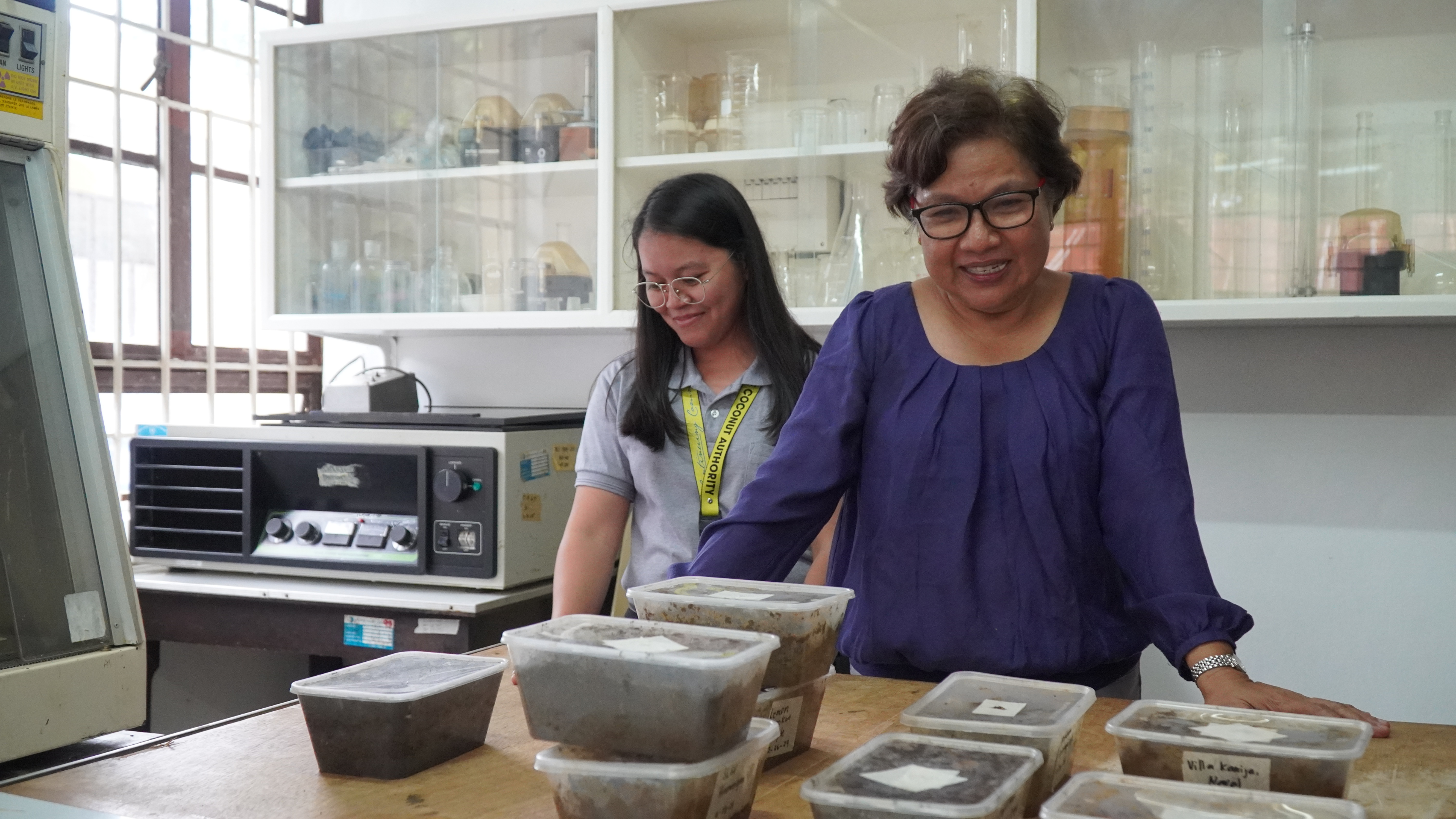
Ms. Johana C. Orense
Ms. Johana C. Orense is currently the Acting Department Manager of the Philippine Coconut Authority - Davao Research Center (PCA-DRC). She is one of the entomology experts in the Philippines, authoring award-winning papers and leading impactful research on controlling and managing coconut insect pests.
Currently, Ms. Orense leads a DOST-PCAARRD-funded project through CHP Research on surveillance and detection of the pervasive coconut rhinoceros beetle (CRB) genotypes and their natural enemies in the country's hybrid and local coconut variety farms.
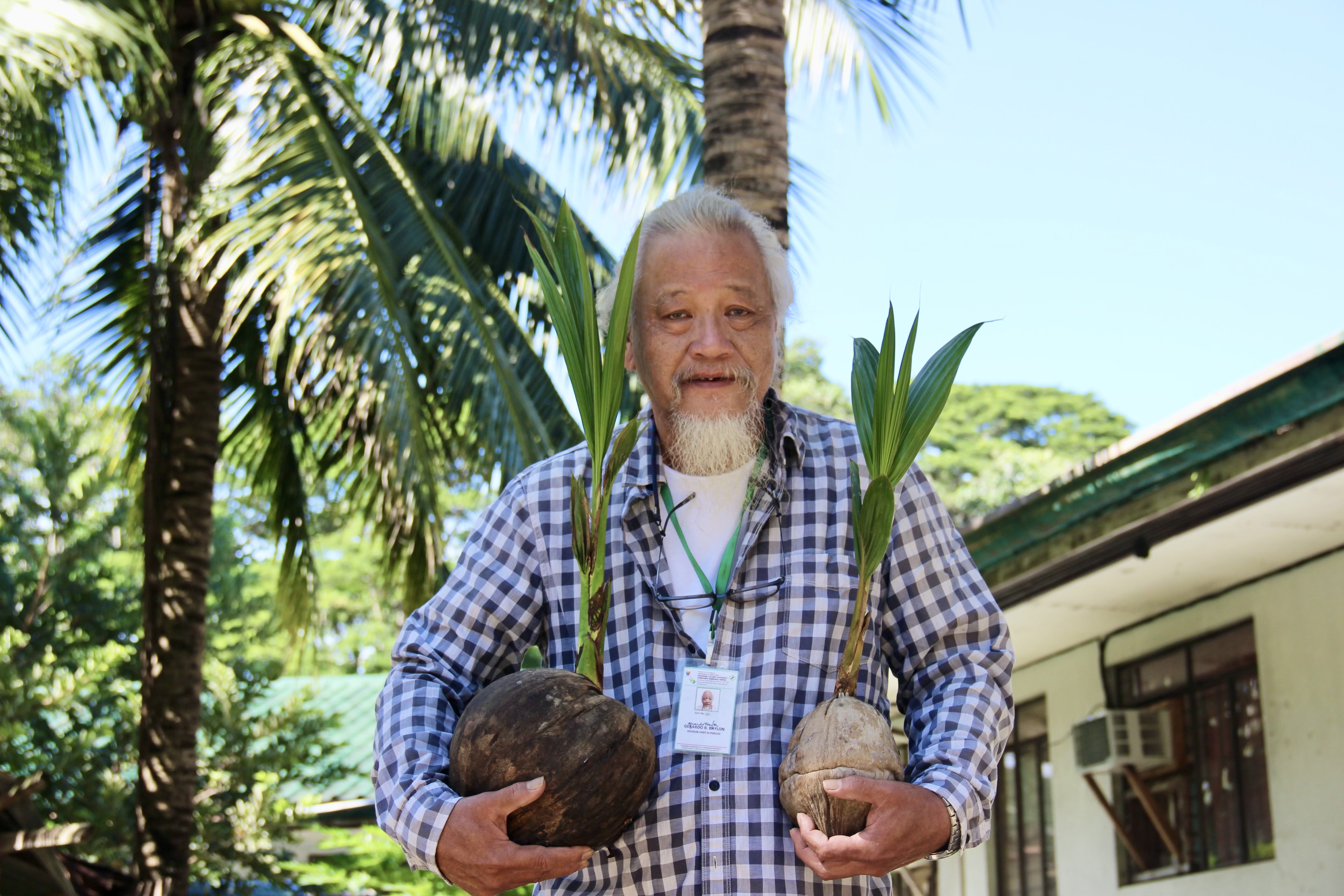
Mr. Gerardo B. Baylon
Mr. Gerardo B. Baylon is the Division Chief III of the Plant Genetic Resources, Conservation, and Utilization Division(PGRCUD) of the Philippine Coconut Authority - Zamboanga Research Center (PCA-ZRC). He has dedicated most of his career as a researcher to coconut, specializing in coconut breeding and genetics, horticulture/plant physiology, coconut farm management, and coconut oil mill operation and oil chemistry.
Presently, Mr. Baylon leads two projects funded by DOST-PCAARRD through the CHP Research. His projects include (1) developing multi-parent coconut populations using dwarf and composite varieties for increased oil and nut yield and enhancing tolerance/resistance against biotic and abiotic stresses and (2) collecting and conserving the country’s coconut genetic resources from the geographically remote areas using embryo culture protocol.
Dr. Justine Bennette H. Millado
Dr. Millado is a faculty at the Department of Pest Management (DPM), College of Agriculture and Food Science (CAFS), Visayas State University (VSU).
Dr. Millado has led several programs and projects at a young age. Presently, she leads two projects funded by the DOST-PCAARRD through the Coconut Hybridization Program (CHP) Research. Her R&D project seeks to enhance and sustain the management of Asiatic Palm Weevil (APW) and other important pests of coconut with biological and biorational control agents in Eastern Visayas. Meanwhile, one of her projects, near its completion, will upgrade a central mass production, characterization, and evaluation of the laboratory to support the sustainable pest management of coconut hybrids in Eastern Visayas.

Dr. Salvacion J. Legaspi
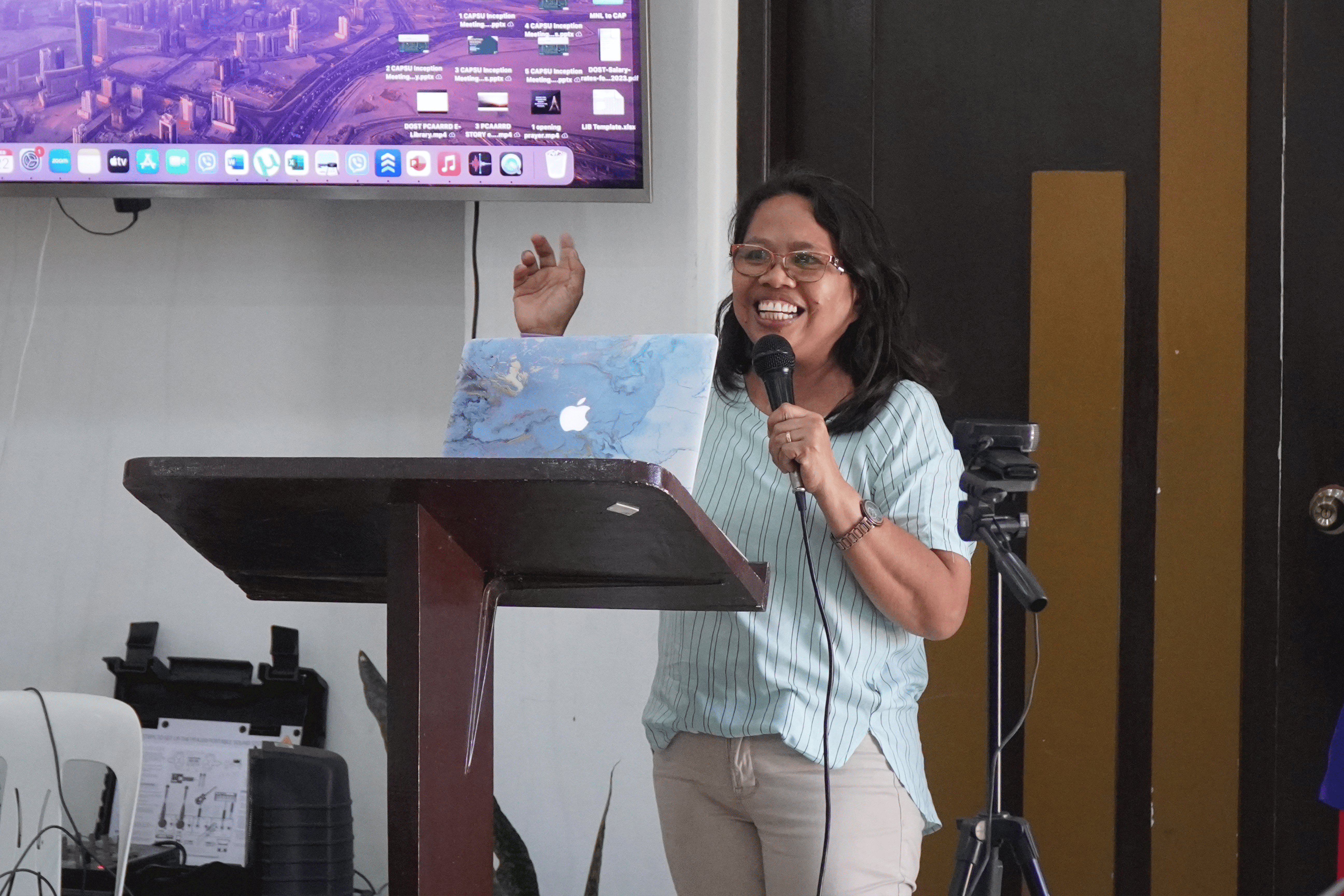
Dr. Salvacion J. Legaspi is a Professor VI and the Director of the Crop Science Research and Development Center at Capiz State University (CapSU). She has received recognition for her several papers on coconut over the years.
Currently, she leads a newly launched program that aims to utilize the different germplasm collection in the Coconut Breeding Trial Unit (CBTU) of CapSU for the advancement of coconut hybridization in Western Visayas. This program is funded by DOST-PCAARRD through the CHP Research.